
Angels
Angels: Divine Messengers and Celestial Beings
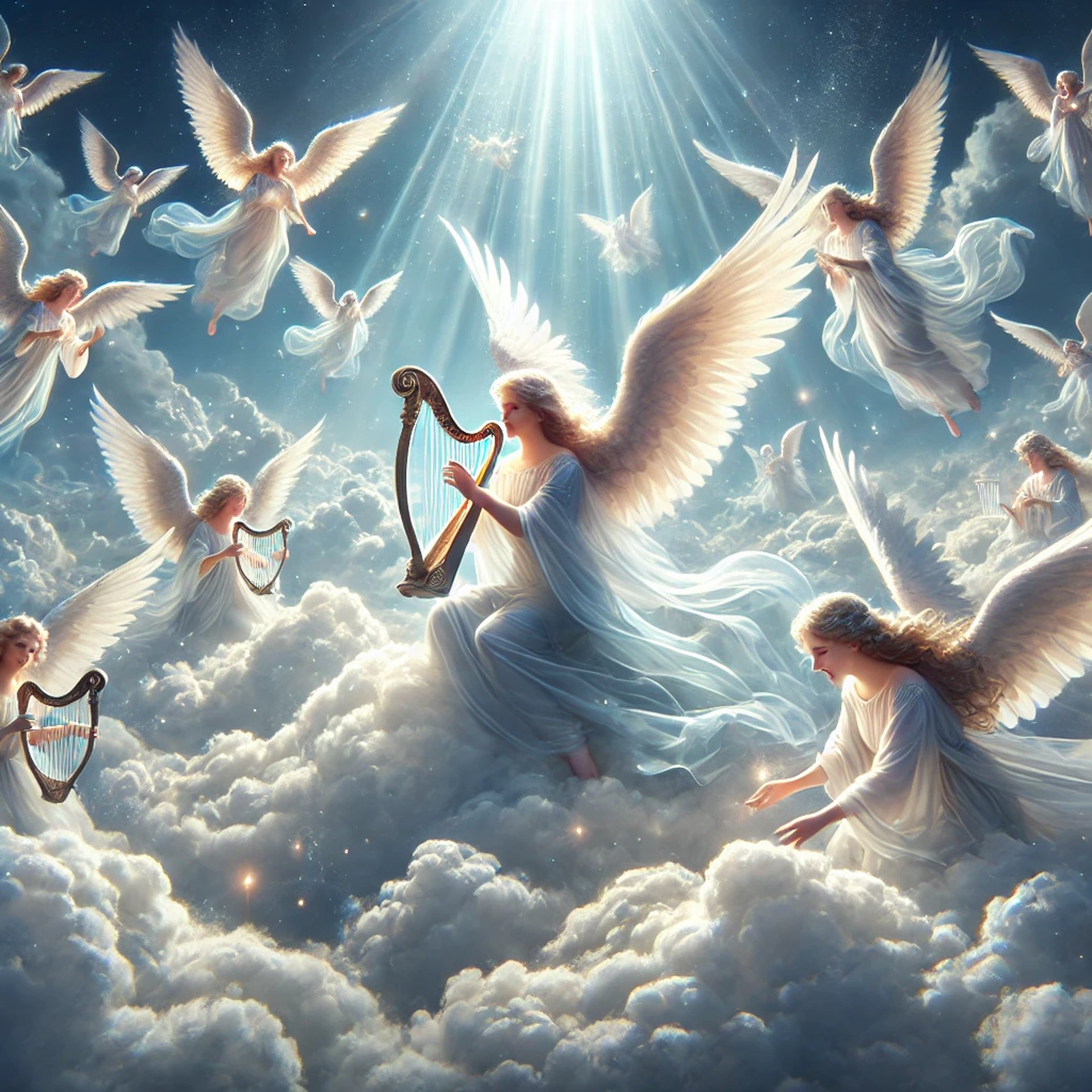
Throughout history and across various religious and cultural traditions, angels have been depicted as divine messengers, guardians, and celestial beings who act as intermediaries between God and humanity. These ethereal figures are often associated with light, purity, and wisdom, serving as symbols of hope, protection, and divine guidance. Whether portrayed as warriors of justice, bearers of important revelations, or compassionate guides, angels hold a revered place in Christian theology, as well as in other Abrahamic religions and spiritual beliefs.
The Nature and Purpose of Angels
In Christian tradition, angels are seen as spiritual beings created by God to serve His divine will. Unlike humans, they are considered immortal and free from sin, existing in a heavenly realm while occasionally intervening in human affairs. The Bible describes various roles for angels, from announcing significant events to providing comfort and protection. For instance, in the Old Testament, angels appear to figures like Abraham, Moses, and Daniel, offering guidance and carrying out divine commands. In the New Testament, the angel Gabriel delivers the news of Jesus' birth to the Virgin Mary, reaffirming their role as messengers of God.
Angels are also believed to serve as protectors of individuals and nations. The concept of guardian angels is widely embraced, suggesting that each person has an angel assigned to watch over them. This belief provides a sense of reassurance and divine presence in daily life. Additionally, angels play a significant role in the spiritual battle between good and evil, as exemplified by the archangel Michael leading God’s armies against Satan in the Book of Revelation.
The Hierarchy of Angels
Christian theology, particularly within Catholic and Orthodox traditions, classifies angels into a hierarchical order. This classification is largely derived from the writings of early Christian scholars, such as St. Thomas Aquinas, who described the “Nine Choirs of Angels.” These choirs are divided into three spheres:
First Sphere (Closest to God): Seraphim, Cherubim, and Thrones. These angels worship and glorify God, with Seraphim being the highest-ranking, described as beings of immense light and fire.
Second Sphere: Dominions, Virtues, and Powers. These angels govern the natural order and oversee the workings of the universe.
Third Sphere (Closest to Humans): Principalities, Archangels, and Angels. This group includes guardian angels and messengers like Gabriel and Michael, who directly interact with humanity.
Angels in Different Religious and Cultural Beliefs
While Christianity has a well-defined understanding of angels, similar beings exist in other religions and cultures. In Judaism, angels serve as messengers of God, often appearing in the Torah and rabbinic literature. In Islam, angels are a fundamental part of belief, with figures like Jibril (Gabriel) delivering revelations to the Prophet Muhammad. Other traditions, including Zoroastrianism and various esoteric beliefs, also depict angelic beings as divine helpers and cosmic forces of good.
Beyond religion, angels have captured the imagination of artists, writers, and filmmakers. From Renaissance paintings depicting winged seraphim to modern literature and films exploring their roles as supernatural guardians, angels continue to inspire awe and curiosity.
Conclusion
Angels remain a profound and enduring symbol of faith, hope, and divine intervention. Whether seen as protectors, messengers, or warriors, their presence in religious texts and cultural narratives reinforces humanity’s longing for guidance and reassurance in times of uncertainty. While their true nature remains a mystery, the belief in angels continues to provide comfort and inspiration to those who seek a deeper connection with the divine.
info@churchofwambo.org
© SDBEST LLC, 2025. All rights reserved.